Transparency
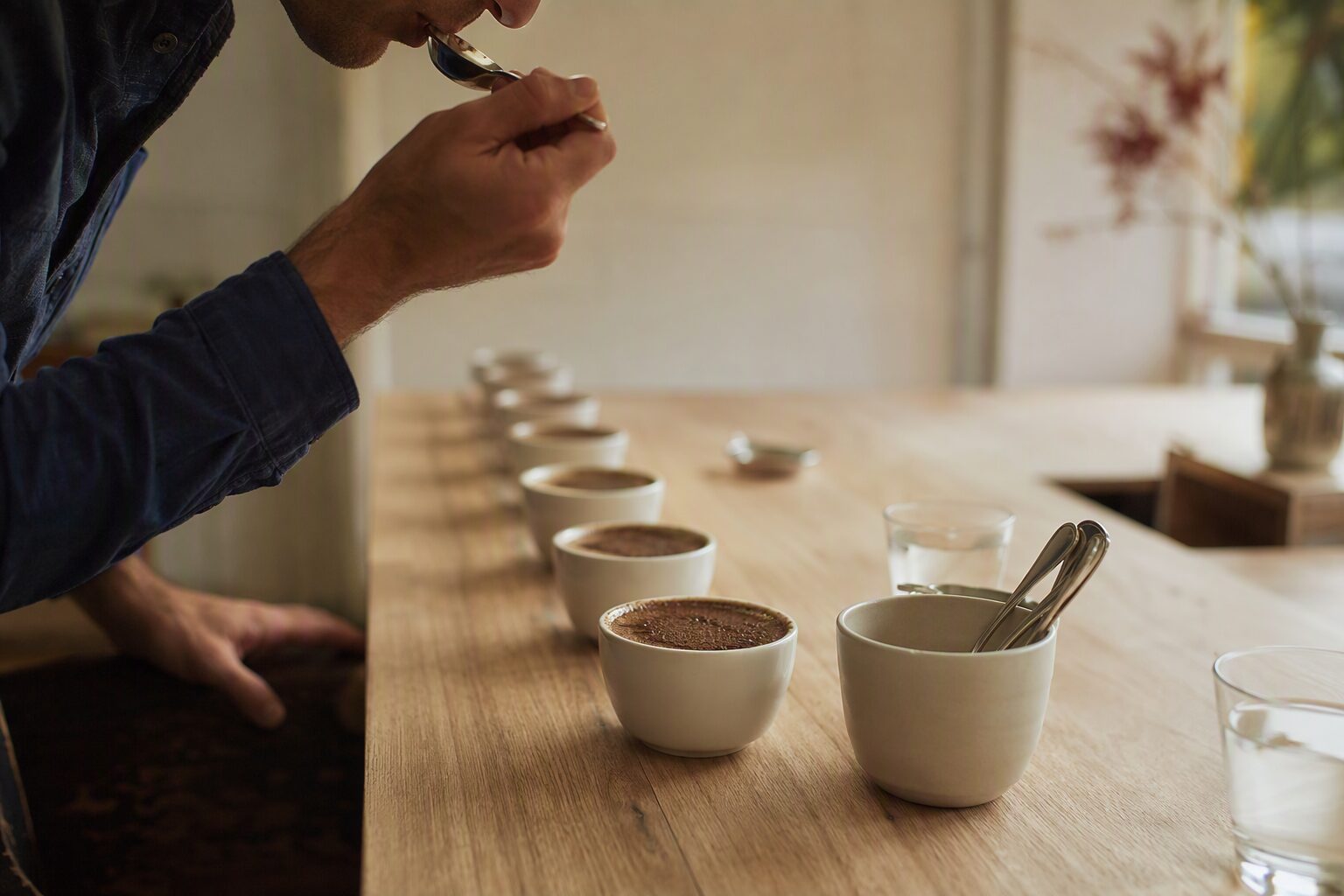
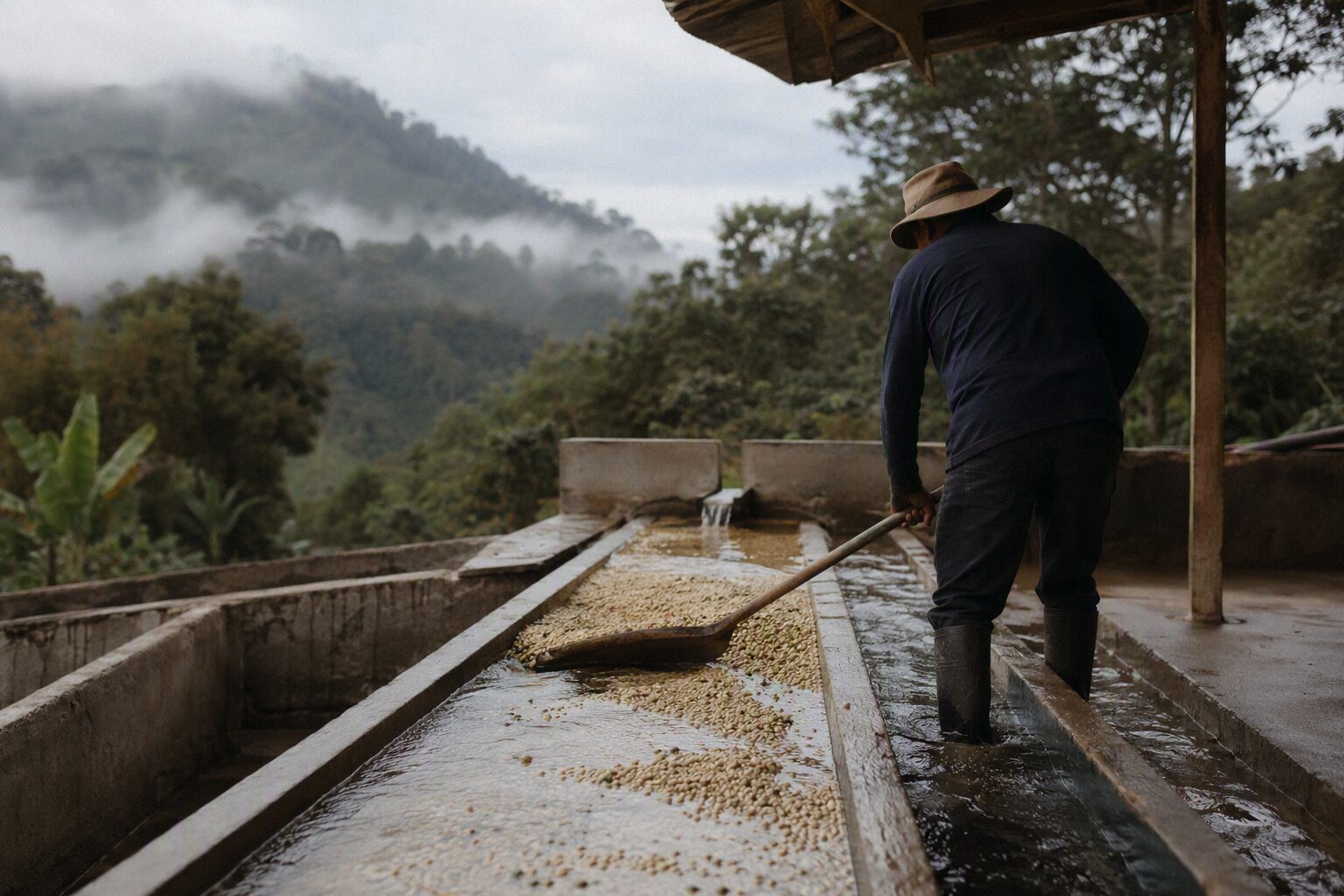
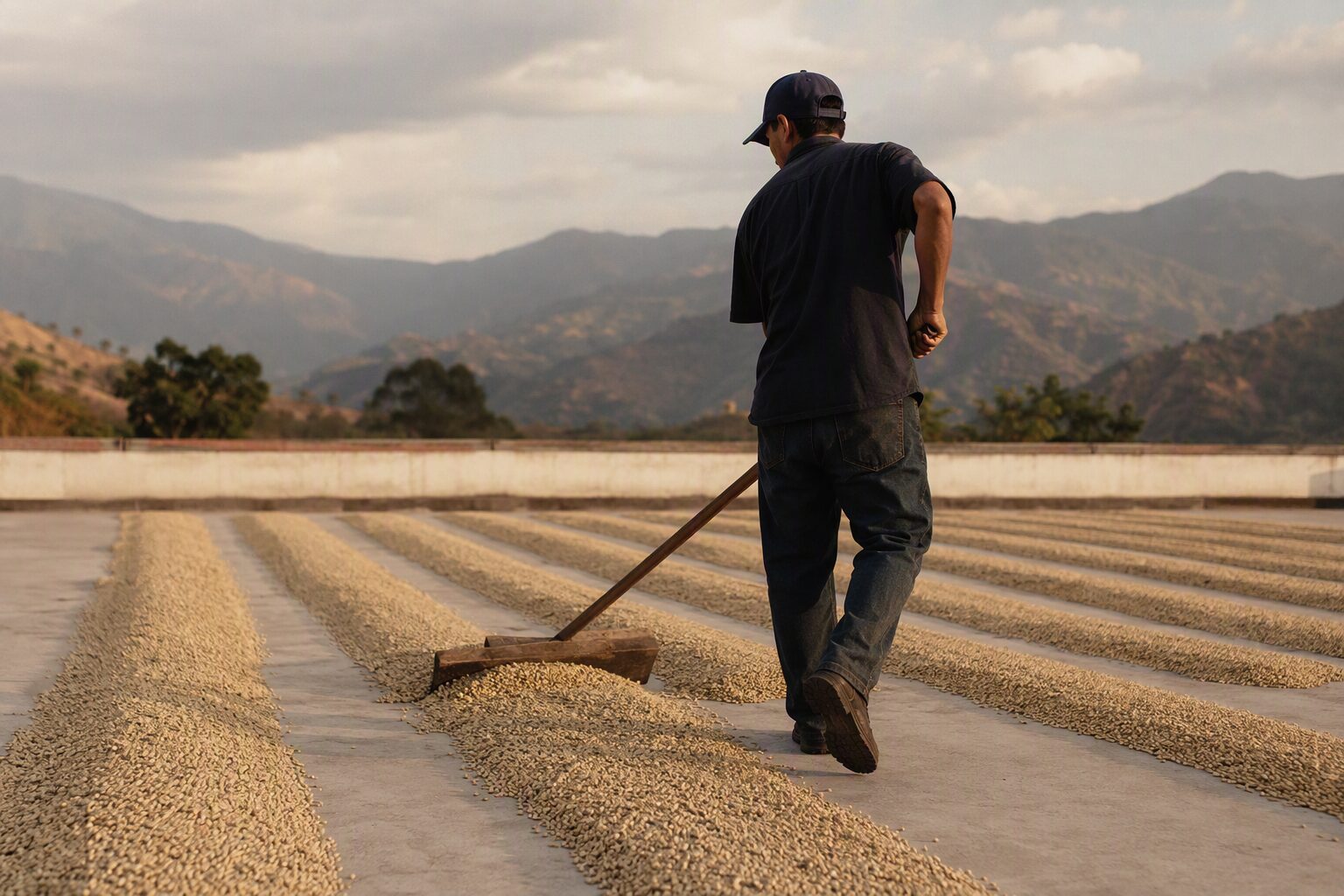
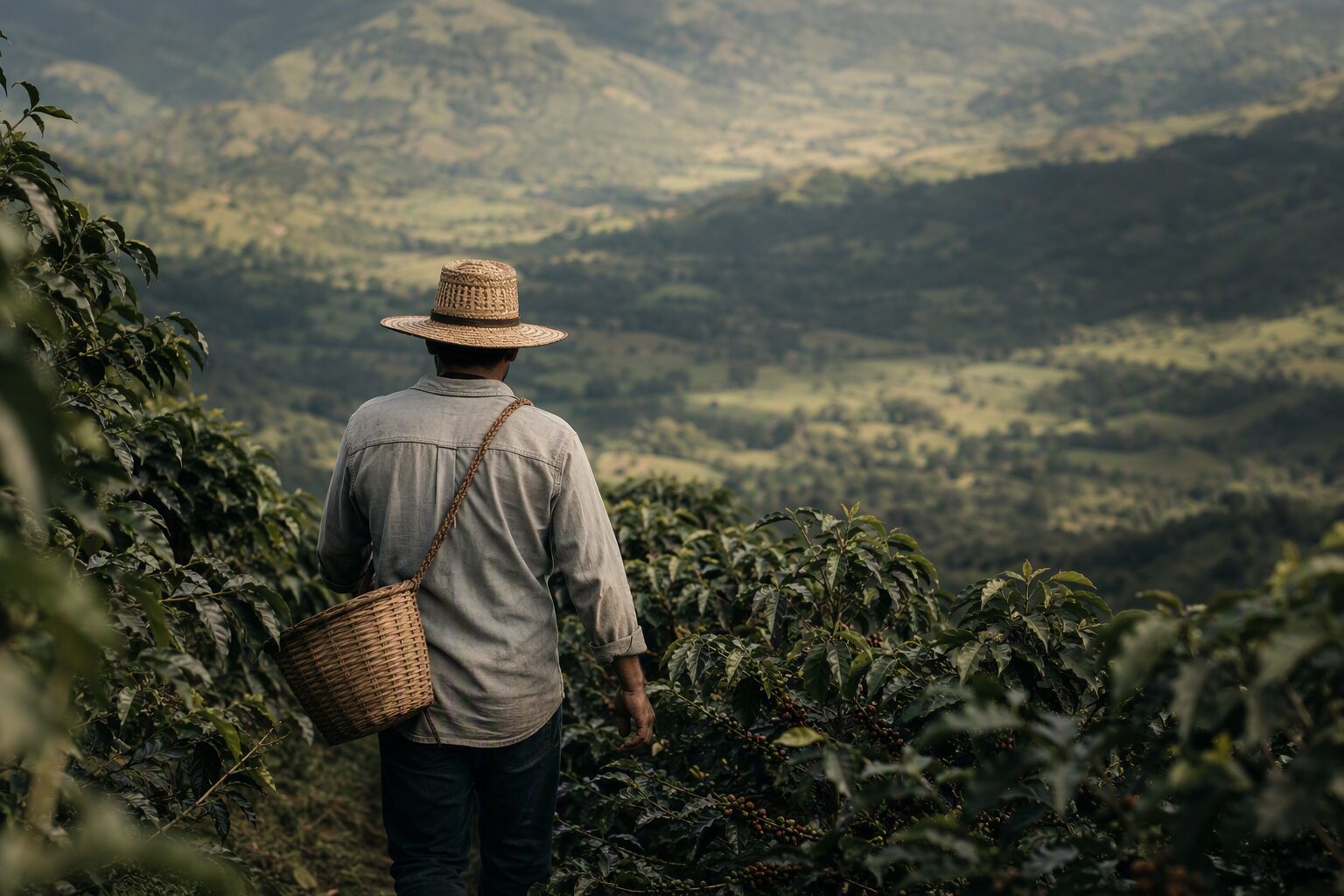
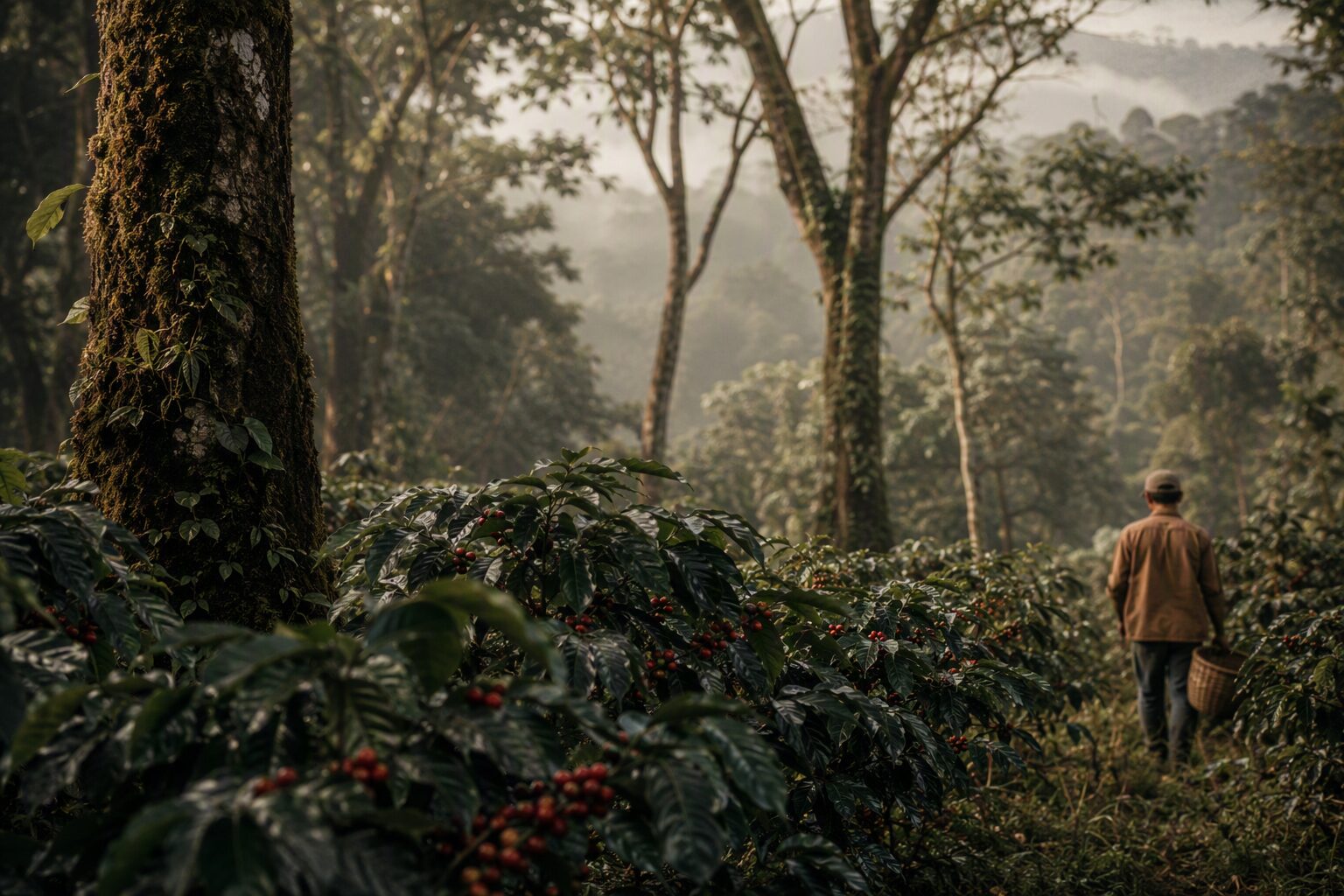
Who is behind a cup of coffee, how far it travelled and what we did with it. We share everything we know, and say what we do not.
Why
Why transparency
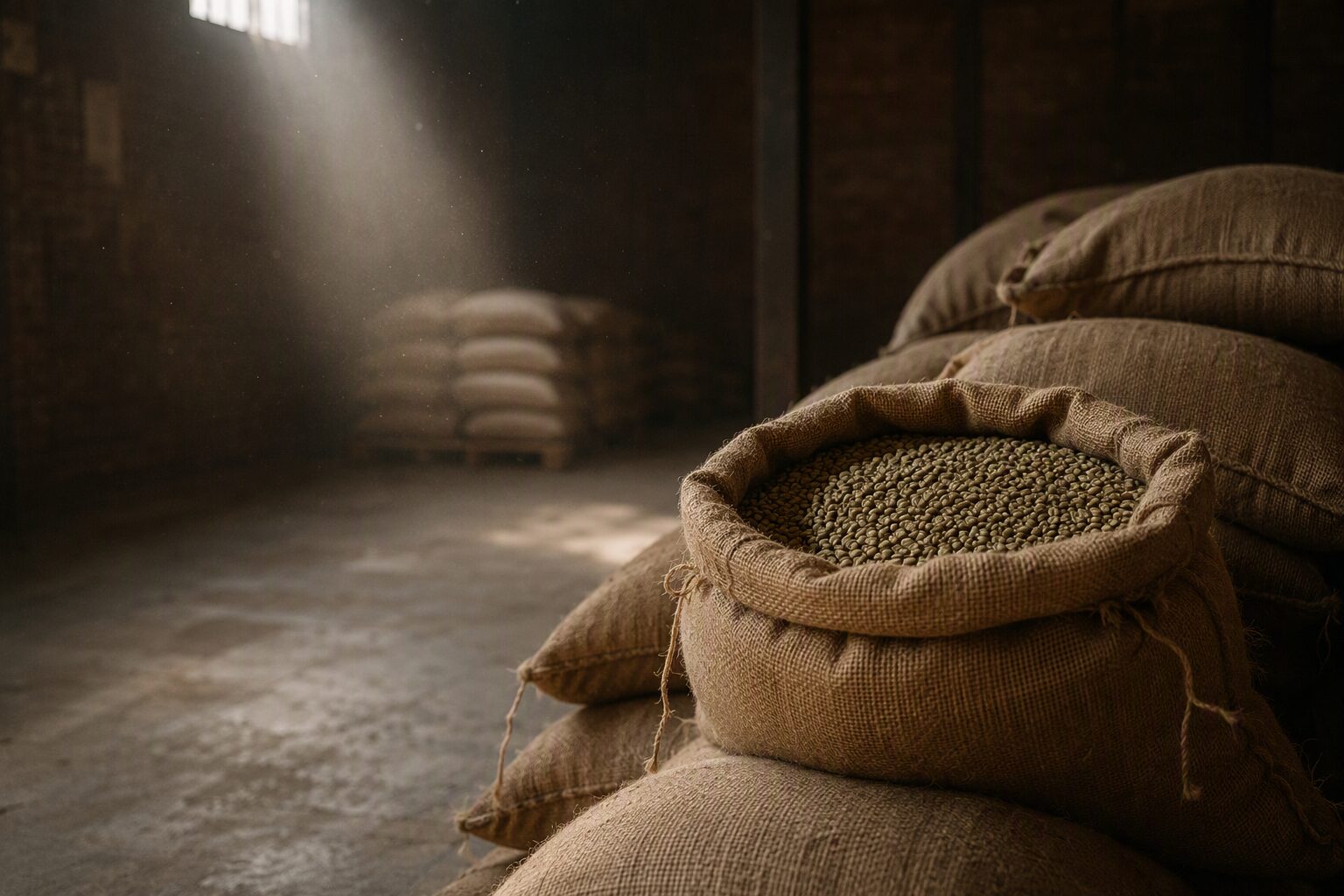
Coffee is one of the most traded agricultural products in the world, and on the way from producer to cup it usually becomes invisible who earned what and who did what. Words like "direct trade" and "sustainable" have been used so often they have worn thin. Instead of big words we want to share small, verifiable facts.
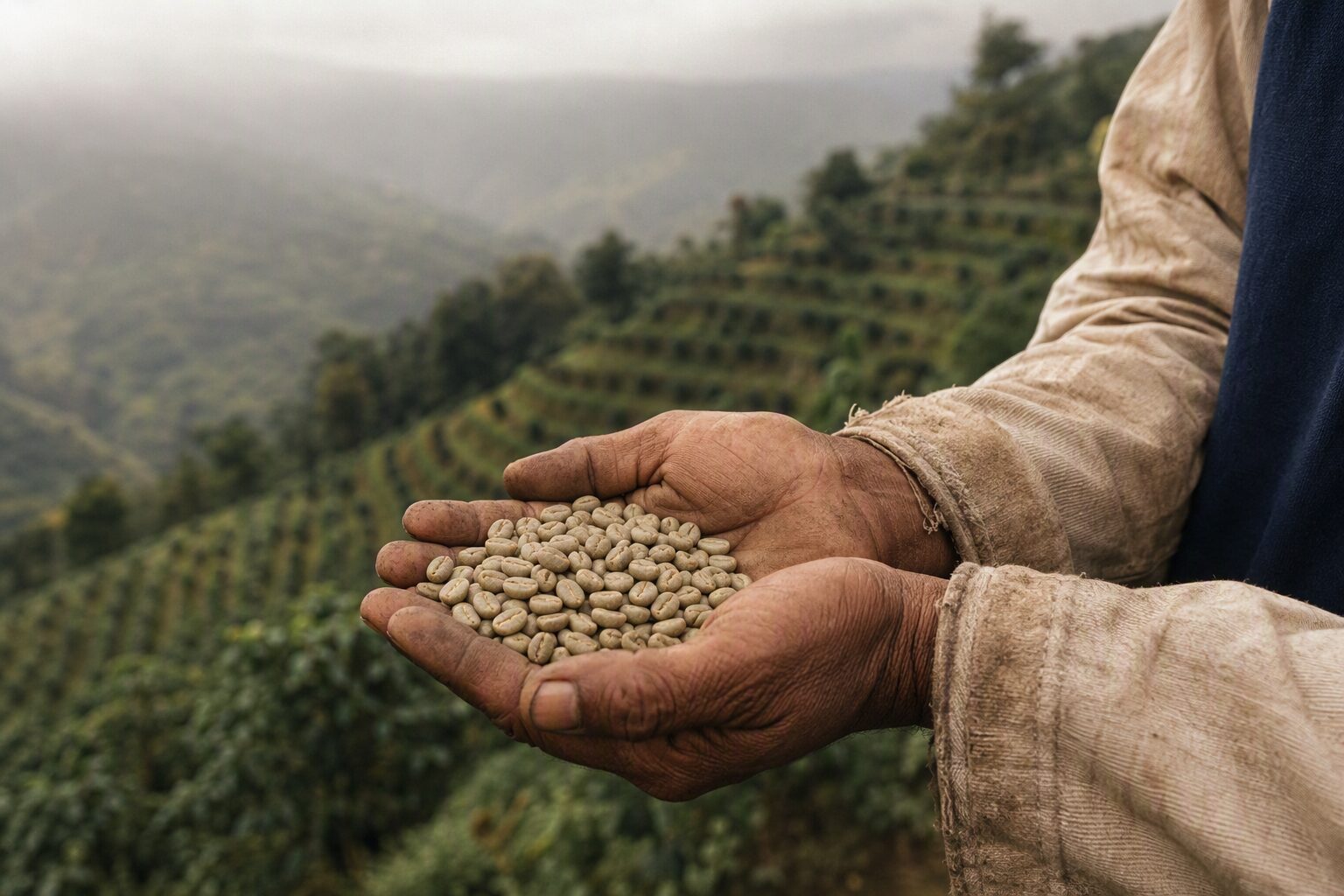
Today we state origin, region, variety, process, altitude and roast profile for every coffee. In the report we name the importer or cooperative we buy the green coffee through and how many years that relationship goes back. We do not yet publish the prices we pay, because we believe sharing them without the right context (FOB or farm gate, which currency, which year) would be misleading. We are talking to our suppliers to add this to our first report.
For us transparency is not a certificate but a habit. If you find something wrong, write to us; we will correct it.
- 8
- coffees, each single origin or our own blend
- 4
- countries: Ethiopia, Colombia, Brazil, Guatemala
- %100
- Arabica, as it says on the side of the box
- Ankara
- Every coffee is roasted here, in small batches